Ways to Protect the Lake
Stormwater Management
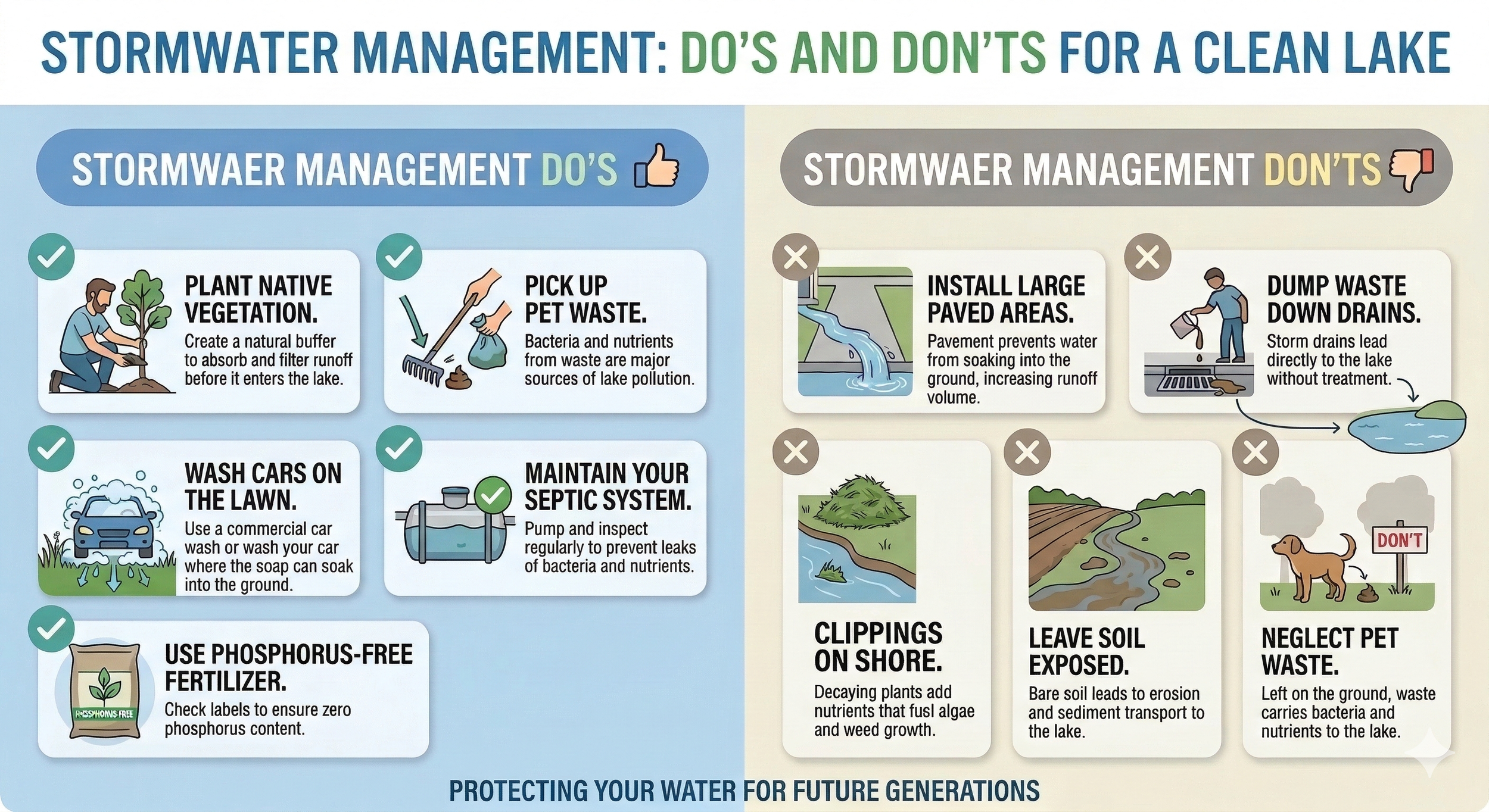
Stormwater is water that instead of soaking into ground, flows over impervious surfaces like roofs, roads, and driveways. As the runoff enters the lake, it carries harmful contaminants and sediments that fuel harmful algae growth and degrade water quality. Washouts from storms or snowmelt can damage roads and cause shoreline erosion. Planting native vegetation on the shoreline can slow the runoff, giving it time to soak in and filter out pollutants.
Fertilizers
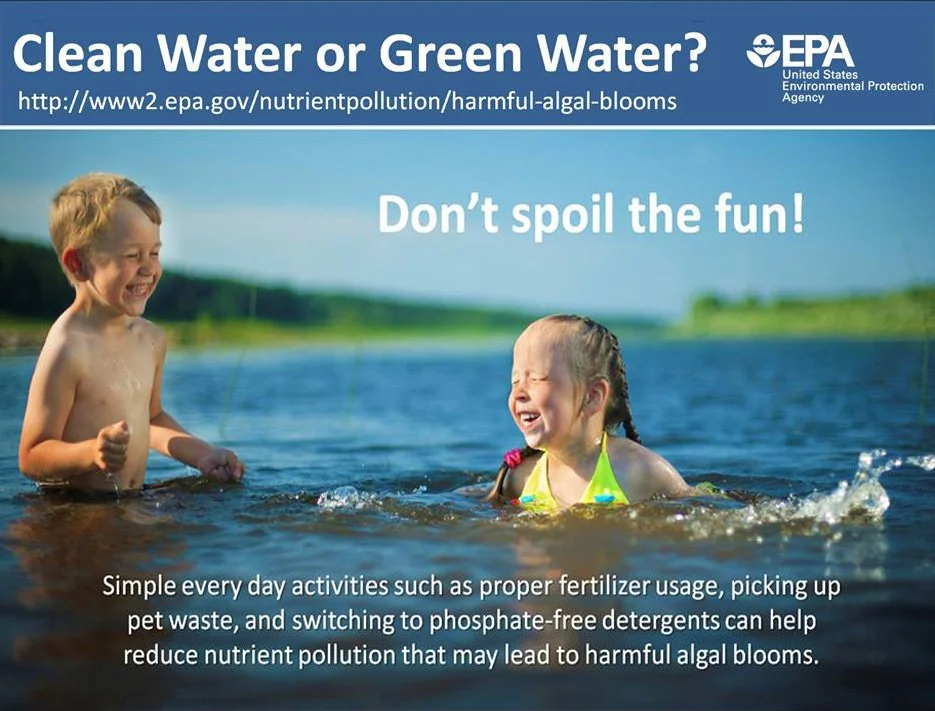
Fertilizers can be washed into streams and lakes, causing aquatic plant growth, toxic algae blooms, and eutrophication. Check labels to ensure that you are using phosphorus-free fertilizers to minimize impact on Crystal Lake.
Pet Waste
Pet waste being washed into waterways pose health hazards to people and degrades the water quality of the lake.
Stop Aquatic Invasive Species
Aquatic invasive species are plants and animals that aren’t naturally found in Crystal Lake. They can harm native wildlife, create recreational hazards, and cost tens of thousands of dollars to control. Once established, invasive species are nearly impossible to eradicate. Prevention and early detection are our best tools to fight them. Follow, Clean, Drain, Dry!
Clean all plants, animals, mud, and debris from your boat, trailer, and equipment.
Drain all compartments, live wells, ballast tanks, and gear.
Dry your gear completely for five days before launching in a new waterbody. If relaunching sooner, visit a boat-friendly car wash or rinse and dry at home.
Lake Hosts
Boats are the most common way invasive species transfer. A tiny plant fragment on your boat or trailer can be all it takes to start a new invasion. In partnership with NH Lakes, our trained Lake Hosts provide free courtesy inspections at Crystal Lake Boat Launch.